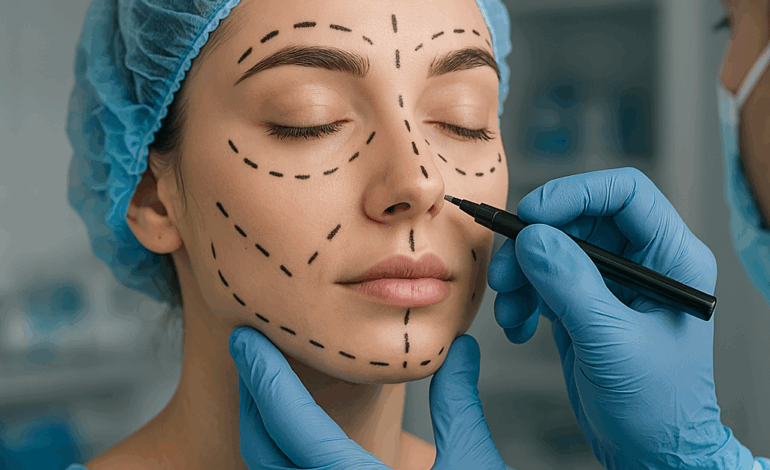

Plastic surgery is broadly divided into two main categories: cosmetic surgery and reconstructive surgery. While both fall under the same specialty, their purpose, goals, and approach can differ significantly. Understanding the difference can help you make an informed decision before consulting a specialist like Dr. Pranit Mankare, Plastic Surgeon in Nashik.
What is Cosmetic Surgery?
Cosmetic surgery focuses on enhancing appearance, improving symmetry, and refining physical features according to a patient’s aesthetic goals. These procedures are usually elective and performed on healthy individuals who wish to improve their look and boost confidence.
Common Cosmetic Procedures:
- Rhinoplasty (nose reshaping)
- Liposuction & body contouring
- Gynecomastia surgery
- Scar revision for aesthetic improvement
The primary aim is to achieve natural-looking, balanced, and proportionate results while maintaining safety and minimal downtime.
What is Reconstructive Surgery?
Reconstructive surgery is performed to restore function and normal appearance after trauma, burns, congenital defects, tumors, or previous surgeries. These procedures are often medically necessary and focus on improving both functionality and aesthetics.
Common Reconstructive Procedures:
- Burn reconstruction
- Post-trauma correction
- Hand surgery
- Correction of congenital deformities
The goal here is not only cosmetic enhancement but also restoring normal structure and function.
Key Differences Between Cosmetic & Reconstructive Surgery
| Cosmetic Surgery | Reconstructive Surgery |
|---|---|
| Focuses on enhancing appearance | Focuses on restoring function and structure |
| Usually elective | Often medically necessary |
| Improves aesthetics | Improves both function and appearance |
| Performed on healthy body parts | Performed on affected or damaged areas |
What Does Dr. Pranit Mankare Recommend?
Dr. Pranit Mankare believes that the recommendation depends entirely on the patient’s condition, goals, and medical needs. During a detailed consultation, he carefully evaluates medical history, expectations, and overall health before suggesting the most suitable procedure.
His approach combines:
✔ Personalized treatment planning
✔ Honest and transparent guidance
✔ Focus on safety and ethical practice
✔ Natural and balanced outcomes
Whether it is cosmetic refinement or reconstructive correction, the emphasis is always on patient well-being, confidence, and long-term satisfaction.
When Should You Consult a Plastic Surgeon?
You should consider consultation if:
- You are unhappy with a specific feature and want improvement.
- You have functional issues after injury or congenital conditions.
- You have scars, burns, or deformities affecting appearance or confidence.
- You want professional guidance before making a decision.
A proper evaluation ensures that you receive the right advice and realistic expectations about the results.